


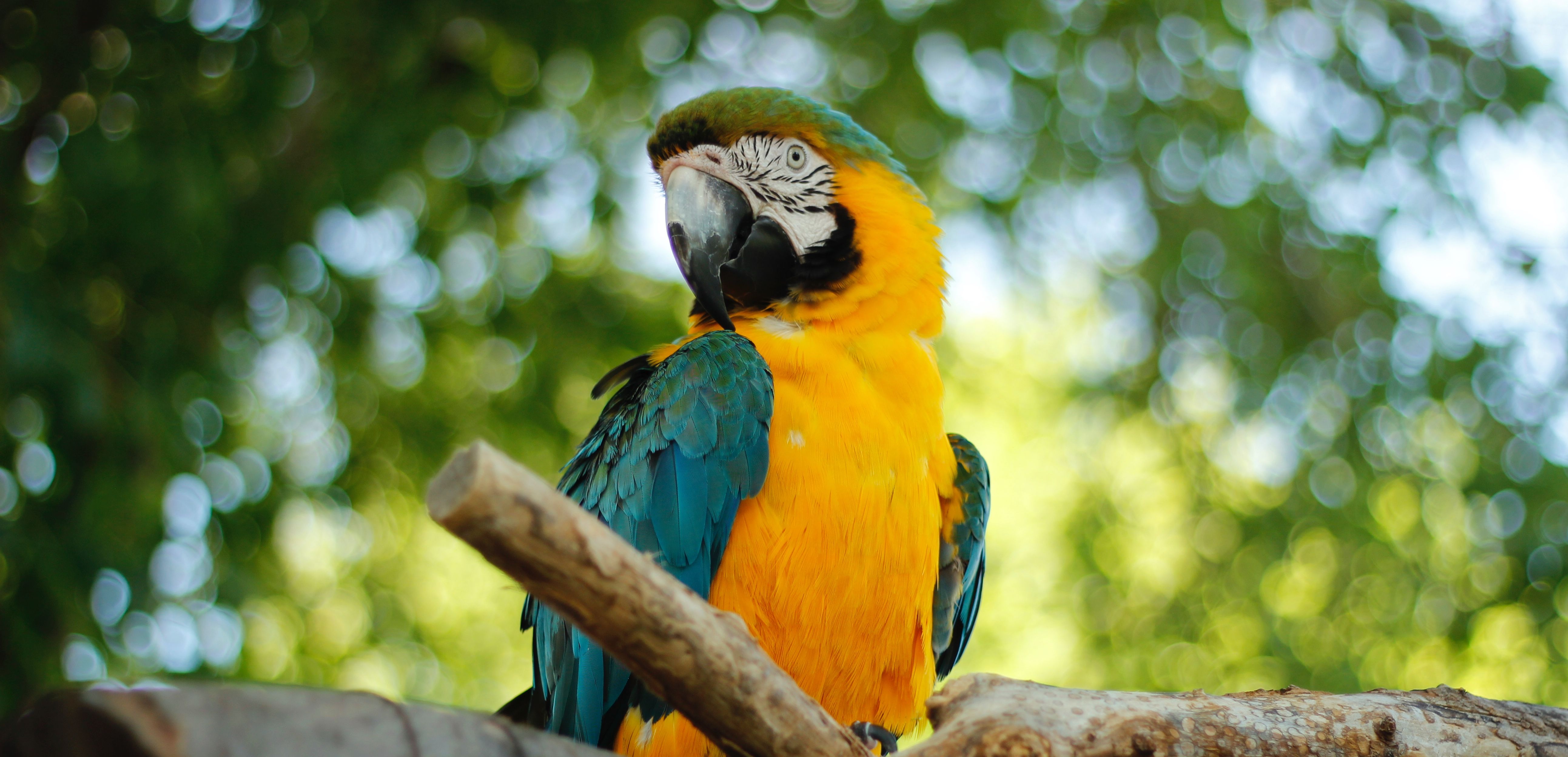
الحيوانات
تضم حديقة حيوانات لينكولن للأطفال أكثر من 400 حيوان، بما في ذلك الزرافات والفهود والنمور وآكلات النمل العملاقة والباندا الحمراء وبطاريق هومبولت والليمور ذي الذيل الحلقي وسلاحف غالاباغوس. تعرف على المزيد حول كل حيوان من الحيوانات التي تعيش هنا من خلال استكشاف الأقسام أدناه.
*هذه ليست قائمة شاملة لجميع الحيوانات الموجودة في حديقة حيوانات لينكولن للأطفال


-
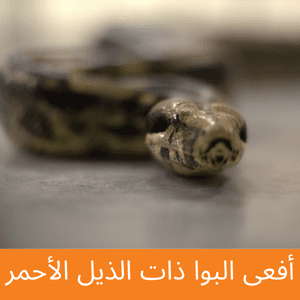
أفعى البوا ذات الذيل الأحمر
Boa constrictor constrictorحالة الحفظ
غير مهددالموطن الطبيعي
تعيش أفاعي البوا ذات الذيل الأحمر على طول الأنهار والجداول في الغابات المطيرة في أمريكا الجنوبية.النظام الغذائي
في البرية – القوارض، السحالي الكبيرة، الثدييات
في حديقة الحيوان – القوارضحقائق مثيرة للاهتمام
• تلد أفاعي البوا ذات الذيل الأحمر صغارًا أحياءً بدلًا من وضع البيض.
• يزن المولود الجديد أونصتين، ويزداد حجمه بنسبة 300% خلال عامه الأول.
• لها نفس الاسم العلمي؛ والحيوان الوحيد الآخر الذي يحمل هذا الاسم هو التيرانوصور ركس. -
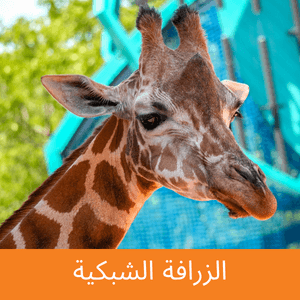
الزرافة الشبكية
Giraffa camelopardalis reticulataحالة الحفظ
معرضة للخطرالموطن الطبيعي
توجد الزرافة الشبكية في سهول أفريقيا.النظام الغذائي
في البرية - الأوراق والثمار وقرون البذور.
في حديقة الحيوان - العشب والتبن والحبوب والأغصان (الأوراق).حقائق مثيرة للاهتمام
• أنماط بقع الزرافة فريدة تمامًا لكل فرد.
• الزرافات هي أطول الثدييات البرية الحية، حيث يصل طولها إلى 18 قدمًا.
• لديها سبع عظام فقط في رقبتها.
• يمكن أن يزن قلبها 22 رطلاً ويبلغ طوله قدمين.
• تنام ما بين ثلاث إلى خمس ساعات يوميًا. -
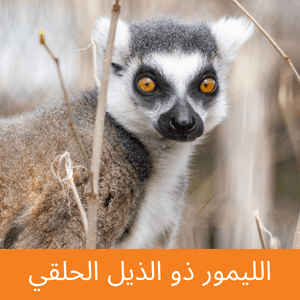
الليمور ذو الذيل الحلقي
Lemur cattaحالة الحفظ
مهدد بالانقراضالموطن الطبيعي
يوجد الليمور ذو الذيل الحلقي في المناطق القاحلة والمفتوحة والغابات. ويقضي وقته في الأشجار، وكذلك على أرضية الغابة.النظام الغذائي
في البرية : أوراق الشجر، والزهور، والحشرات، ولحاء الأشجار، وعصارة الأشجار.
في حديقة الحيوان : الفواكه، والخضراوات، وبسكويت الألياف المصمم خصيصًا، وجل الليمور.حقائق مثيرة للاهتمام
• تستمتع الليمورات بالتشمس.
• الإناث هي المهيمنة على الذكور.
• ذيولها مُحاطة بـ 13 حلقة سوداء وبيضاء متناوبة، وقد يصل طولها إلى قدمين.
• تُنظف بعضها بعضًا باستخدام أسنانها الستة السفلية المتباعدة بدقة. -
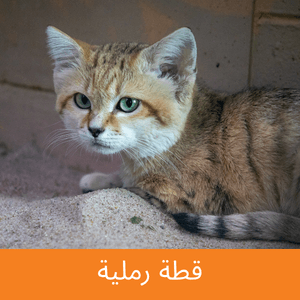
قطة رملية
Felis margaritaحالة الحفظ
غير مهددالموطن الطبيعي
تعيش قطط الرمال في الصحاري الرملية والصخرية في شمال إفريقيا وجنوب غرب ووسط آسيا.النظام الغذائي
في البرية - القوارض والطيور والزواحف
في حديقة الحيوان - اللحومحقائق مثيرة للاهتمام
• تدفن قطط الرمال بقايا الطعام لتخزينها لوقت لاحق.
• هي حيوانات ليلية لتجنب حرارة النهار في الصحاري.
• تعيش قطط الرمال في جحور.
• يحمي الفراء الكثيف على أقدامها من حروق رمال الصحراء الساخنة. -
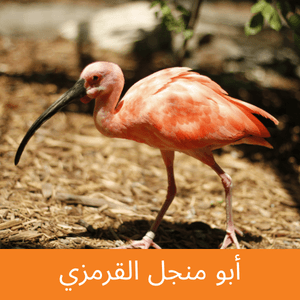
أبو منجل القرمزي
Eudocimus ruberحالة الحفظ
غير مهددالموطن الطبيعي
يعيش طائر أبو منجل القرمزي في المسطحات الطينية ومصبات الأنهار والخطوط الساحلية ومناطق الخلجان الضحلة.النظام الغذائي
في البرية : القشريات، والرخويات، والأسماك، والحشرات، والضفادع، والثعابين الصغيرة.
في حديقة الحيوان : اللحوم، والأسماك، والحشرات، وحبيبات علف الطيور.حقائق مثيرة للاهتمام
• يمكن أن يعيش طائر أبو منجل القرمزي حتى 20 عامًا.
• يحرس الذكور والإناث العش ويساعدون في إطعام الفراخ.
• يسمح لهم منقارهم المنحني والنحيل بالبحث عن الطعام في الماء أو الطين أو العشب.
• يطيرون على شكل حرف V لتقليل مقاومة الرياح للطيور التي تتبعهم، على غرار تقنية التزحلق الهوائي في سباقات السيارات. -
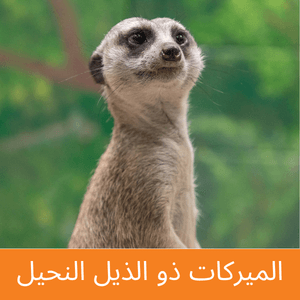
الميركات ذو الذيل النحيل
Suricata suricattaحالة الحفظ
غير مهددالموطن الطبيعي
تعيش حيوانات الميركات في الصحراء أو التضاريس الصخرية في جنوب إفريقيا.النظام الغذائي
في البرية : الحشرات، والقوارض الصغيرة، والعناكب، والقواقع، والنباتات.
في حديقة الحيوان : الفاكهة، والخضراوات، وبيض الطيور، والحشرات.حقائق مثيرة للاهتمام
• تعيش حيوانات الميركات تحت الأرض في مجموعات كبيرة، تُسمى جماعات، ويتولى الذكر والأنثى القيادة.
• يوجد دائمًا ميركات واحد على الأقل مسؤول عن حماية المجموعة.
• يحمي الفراء الداكن حول عيونها عيونها من أشعة الشمس.
• لكل ميركات دور مختلف داخل مجموعته، مثل دور المعلم، والصياد، وجليس الأطفال. -
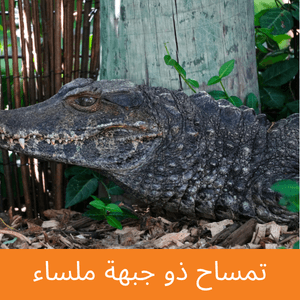
تمساح ذو جبهة ملساء
Paleosuchus trigonatusحالة الحفظ
غير مهددالموطن الطبيعي
تعيش تماسيح الكايمان ذات الجبهة الملساء في المناطق الحرجية داخل أحواض نهري الأمازون وأورينوكو في أمريكا الجنوبية، بما في ذلك المناطق الموجودة في وحول الجداول والأنهار الضحلة، بالإضافة إلى الغابات المغمورة بالمياه ومستنقعات النخيل.النظام الغذائي
في البرية – الأسماك والضفادع والطيور والزواحف.
في حديقة الحيوان – الأسماك والقوارض واللحوم.حقائق مثيرة للاهتمام
• يمتلك تماسيح الكايمان ذات الجبهة الملساء من 78 إلى 82 سنًا.
• تفضل تماسيح الكايمان ذات الجبهة الملساء المياه الباردة.
• وهي ثاني أصغر أنواع فصيلة التماسيح.
• تتميز بصفائح عظمية بارزة على جسمها، توفر لها الحماية من المفترسات وتساعدها على تنظيم درجة حرارة الجسم. -
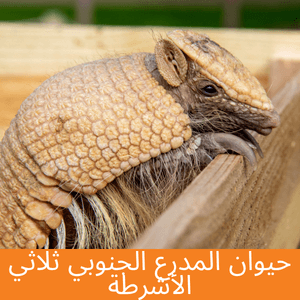
حيوان المدرع الجنوبي ثلاثي الأشرطة
Tolypeutes matacusحالة الحفظ
قريب من التهديدالموطن الطبيعي
يعيش حيوان المدرع ثلاثي الأشرطة في السافانا والأراضي الشجرية في وسط أمريكا الجنوبية.النظام الغذائي
في البرية : يرقات الخنافس، النمل، النمل الأبيض، والفواكه.
في حديقة الحيوان : الحشرات، الفواكه، والخضراوات.حقائق مثيرة للاهتمام
• هي المدرعات الوحيدة التي تستطيع أن تُغلق نفسها داخل صدفتها بالتدحرج على شكل كرة.
• هي الثدييات الوحيدة التي تمتلك صدفة.
• تولد صغار المدرعات عمياء.
• يبلغ متوسط عمر المدرعات 20 عامًا. -
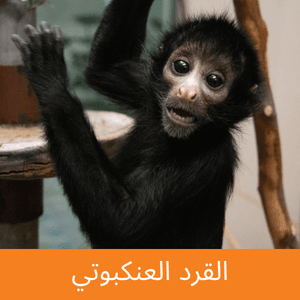
القرد العنكبوتي
Ateles fusciceps robustusحالة الحفظ
مهدد بالانقراض بشدةالموطن الطبيعي
يوجد قرد العنكبوت في الغابات الاستوائية وشبه الاستوائية.النظام الغذائي
في البرية : أوراق صغيرة، مكسرات، براعم، بذور، ولافقاريات.
في حديقة الحيوان : فواكه، خضراوات، وبسكويت غني بالألياف.حقائق مثيرة للاهتمام
• قرود العنكبوت حيوانات شجرية، أي أنها توجد بشكل أساسي في قمم الأشجار.
• تستخدم ذيلها القابل للإمساك كطرف إضافي.
• يوجد في أسفل ذيلها بقعة خالية من الشعر تُستخدم للتشبث بالأغصان.
• تعيش في مجموعات اجتماعية تتراوح بين 3 و30 فرداً في البرية.
• تلد الإناث في المتوسط كل ثلاث سنوات. -
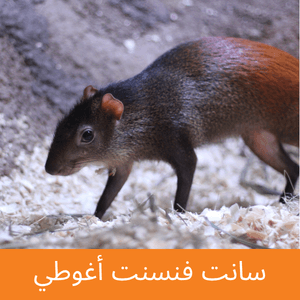
سانت فنسنت أغوطي
Tolypeutes matacusحالة الحفظ
غير مهددالموطن الطبيعي
توجد حيوانات الأغوطي سانت فنسنت في الغابات الاستوائية والجافة في أمريكا الوسطى والجنوبية.النظام الغذائي
في البرية : الفاكهة، والمكسرات، والبراعم، والأوراق.
في حديقة الحيوان : الفاكهة، والخضراوات، والبذور، والمكسرات.حقائق مثيرة للاهتمام
• يوجد ثلاثة عشر نوعًا مختلفًا من الأغوطي.
• هي الثدييات الوحيدة في موطنها الأصلي القادرة على فتح قشرة جوز البرازيل.
• تقوم أحيانًا بدفن الجوز تحت الأرض لاستخراجه لاحقًا.
• تتواصل من خلال أصوات مختلفة كالهمهمة والصراخ والصيحات، بالإضافة إلى وضعيات جسدية متنوعة.
• تتزاوج مدى الحياة. -
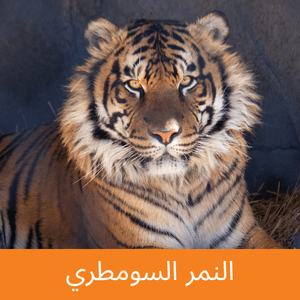
النمر السومطري
Panthera tigris sumatraeحالة الحفظ
مهدد بالانقراض بشدةالموطن الطبيعي
يوجد نمر سومطرة في الغابات الاستوائية والمراعي.النظام الغذائي
في البرية – مجموعة متنوعة من الغزلان والخنازير البرية والزواحف والطيور والأسماك.
في حديقة الحيوان – اللحوم والفرائس الكاملة والعظام الكبيرة.حقائق مثيرة للاهتمام
• نمور سومطرة هي أصغر أنواع النمور.
• النمور حيوانات انفرادية في الغالب.
• خطوط كل نمر فريدة من نوعها.
• النمور سباحون ماهرون، وكثيراً ما تسبح لتبريد جسمها واللعب.
• تتواصل النمور من خلال الزئير والهمهمة والنفخ، بالإضافة إلى تحديد المناطق بالرائحة وعلامات الخدش على الأشجار. -
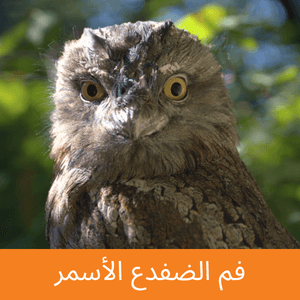
فم الضفدع الأسمر
Podargus strigoidesحالة الحفظ
غير مهددالموطن الطبيعي
يعيش طائر فم الضفدع الأسمر في الغابات والأحراش والمناطق الحضرية والريفية.النظام الغذائي
في البرية – الحشرات والثدييات الصغيرة
في حديقة الحيوان – الحشرات والقوارضحقائق مثيرة للاهتمام
• ريشها المموه يسمح لها بالاندماج مع أغصان الأشجار.
• غالباً ما تُشتبه بالبومة.
• تصطاد فرائسها بمنقارها لأن أقدامها ضعيفة.
• يرتبط الذكر والأنثى معاً مدى الحياة. -
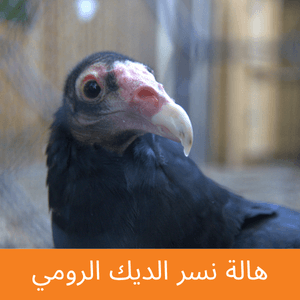
هالة نسر الديك الرومي
Cathartes auraحالة الحفظ
غير مهددالموطن الطبيعي
تعيش النسور الرومية في الأراضي المفتوحة والغابات والصحاري وسفوح التلال في جميع أنحاء أمريكا الشمالية والجنوبية.النظام الغذائي
في البرية – جيف (حيوانات نافقة حديثًا)
في حديقة الحيوان – لحومحقائق مثيرة للاهتمام
• النسور الرومية حيوانات قارتة، فهي تساعد في تنظيف النظم البيئية بالتغذي على الحيوانات النافقة حديثًا.
• تستخدم بصرها الحاد وحاسة شمها القوية للعثور على الطعام.
• تستطيع الطيران بسرعة تصل إلى 64 كيلومترًا في الساعة.
• تتقيأ دفاعًا عن نفسها. -
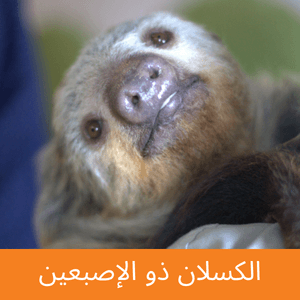
الكسلان ذو الإصبعين
Choloepus didactylusحالة الحفظ
غير مهددالموطن الطبيعي
يعيش الكسلان ذو الإصبعين في الغابات الاستوائية في أمريكا الوسطى والجنوبية.النظام الغذائي
في البرية : أوراق الشجر، الفواكه، المكسرات، التوت، لحاء الأشجار، الزهور البرية، والقوارض الصغيرة.
في حديقة الحيوان : الفواكه، الخضراوات، والبيض المسلوق.حقائق مثيرة للاهتمام
• تلد الإناث وهي مقلوبة.
• يستغرق هضم طعامها شهراً كاملاً.
• لا تستطيع المشي، لذا تسحب نفسها بيدٍ تلو الأخرى للتنقل.
• تقفز من الأشجار إلى الماء لعبور الأنهار سباحةً.
• تنمو الطحالب على فرائها، مما يمنحها لوناً أخضر باهتاً. -
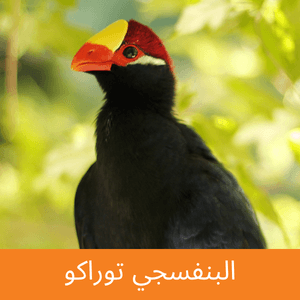
البنفسجي توراكو
Musophaga violaceaحالة الحفظ
غير مهددالموطن الطبيعي
تعيش طيور التوراكو البنفسجية في الغابات دائمة الخضرة والوديان المشجرة.النظام الغذائي
في البرية – الفاكهة والزهور والمفصليات،
وفي حديقة الحيوان – الفاكهة والخضراوات والتوت والحبوبحقائق مثيرة للاهتمام
• تسافر هذه الطيور في أسراب تتراوح بين 10 و12 طائرًا.
• يتناوب الأبوان على حضانة البيض، وتغادر الفراخ العش بعد 10 إلى 12 يومًا من الفقس.
• لا تجيد الطيران، لكنها تستطيع الجري بسرعة بين الأغصان.
• هي الكائن الحي الوحيد في العالم الذي يتميز بريش أحمر اللون بفضل مادة التوراسين، وهي صبغة طبيعية أساسها النحاس.
• تُطلق هذه الطيور ريشها عند الإمساك بها كوسيلة للبقاء على قيد الحياة.
حفظ
تلتزم حديقة حيوانات لينكولن للأطفال بجهود الحفاظ على الحيوانات وإنقاذها من الانقراض. تضم الحديقة أكثر من 30 نوعًا من الحيوانات المهددة بالانقراض، وتسعى جاهدةً لتوفير أعلى مستويات الرعاية لهذه الأنواع التي تقترب من الانقراض. تتعاون حديقة حيوانات لينكولن للأطفال مع منظمات في جميع أنحاء العالم تُعنى بإدارة الحيوانات في الأسر والحيوانات البرية، بهدف وضع خطة تضمن إنقاذ الحيوانات المهددة بالانقراض وحمايتها للأجيال القادمة. تُعدّ حديقة الحيوان جزءًا من خطة بقاء الأنواع التابعة لرابطة حدائق الحيوان والأحواض المائية، والتي تُشرف على إدارة أنواع مُختارة بهدف تعزيز جهود الحفاظ عليها في بيئتها الطبيعية. ويقود هذه الخطة مستشارون خبراء يعملون معًا لإدارة التوزيع الديموغرافي والاستدامة طويلة الأجل لما يقرب من 500 نوع.
تعاون فوتو آرك
تتعاون حديقة حيوانات لينكولن للأطفال مع المصور جويل سارتور من ناشيونال جيوغرافيك ومشروعه "فوتو آرك". يُعدّ "فوتو آرك" مبادرة رائدة لتوثيق الأنواع قبل انقراضها، وحثّ الناس على الاهتمام بها ما دام الوقت متاحًا. انطلق "فوتو آرك" من حديقة حيوانات لينكولن للأطفال بأول صورة التُقطت لجرذ الخلد العاري. وحتى الآن، وثّق "فوتو آرك" 10,531 نوعًا. تعرّف على المزيد حول مشروع جويل سارتور "فوتو آرك" هنا