


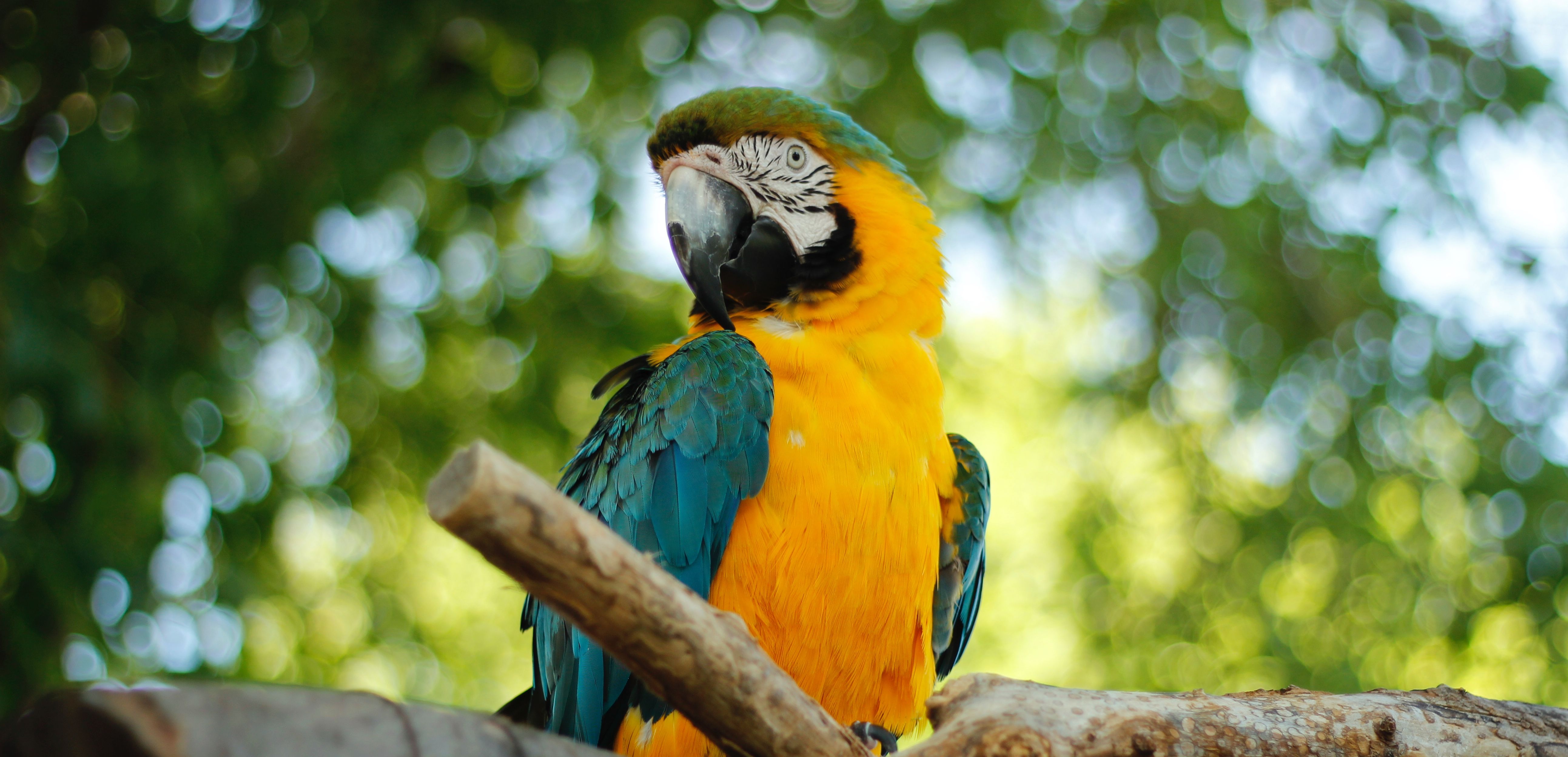
الحيوانات
تضم حديقة حيوانات لينكولن للأطفال أكثر من 400 حيوان، بما في ذلك الزرافات والفهود والنمور وآكلات النمل العملاقة والباندا الحمراء وبطاريق هومبولت والليمور ذي الذيل الحلقي وسلاحف غالاباغوس. تعرف على المزيد حول كل حيوان من الحيوانات التي تعيش هنا من خلال استكشاف الأقسام أدناه.
*هذه ليست قائمة شاملة لجميع الحيوانات الموجودة في حديقة حيوانات لينكولن للأطفال


-
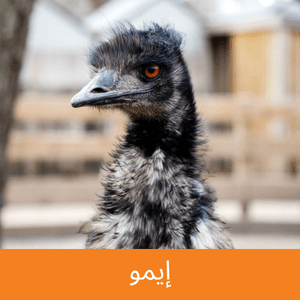
إيمو
Dromaius novaehollandiaeحالة الحفظ
غير مهددالموطن الطبيعي
توجد طيور الإيمو في غابات الأوكالبتوس، والأراضي الحرجية، وأراضي الشجيرات الصحراوية، والسهول الرملية.النظام الغذائي
في البرية : البذور، والفواكه، والزهور، والبراعم الصغيرة، والحشرات، واللافقاريات الصغيرة.
في حديقة الحيوان : حبوب وفواكه متخصصة.حقائق مثيرة للاهتمام
• طيور الإيمو سريعة الجري، إذ تصل سرعتها إلى 48 كيلومترًا في الساعة.
• يبني الذكور عشًا ويجلسون على البيض حتى يفقس.
• بيض الإيمو أخضر داكن، وحجمه بحجم ثمرة أفوكادو متوسطة.
• تولد الفراخ قادرة على المشي وإطعام نفسها.
• هي طيور، لكنها لا تطير.
• يبلغ طول طيور الإيمو ما بين متر ونصف إلى مترين. -
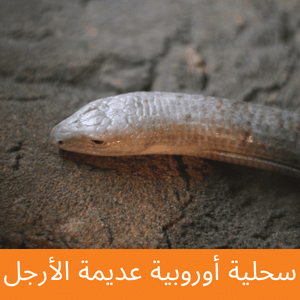
سحلية أوروبية عديمة الأرجل
Pseudopus apodusحالة الحفظ
غير مهددالموطن الطبيعي
توجد السحالي الأوروبية عديمة الأرجل في جنوب أوروبا وصولاً إلى آسيا الوسطى.النظام الغذائي
في البرية – الحشرات
في حديقة الحيوان – الكلمات والصراصيرحقائق مثيرة للاهتمام
• هي سحالي تشبه الثعابين.
• تحفر جحورها باستخدام أنفها كالمجرفة.
• تستطيع سحالي أوروبا عديمة الأرجل خفض ذيولها كوسيلة دفاعية. -
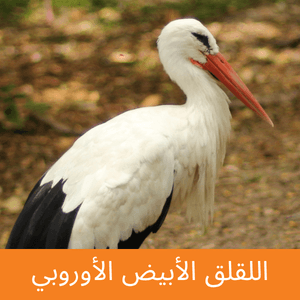
اللقلق الأبيض الأوروبي
Ciconia ciconiaحالة الحفظ
غير مهددالموطن الطبيعي
يفضل اللقلق الأبيض الأوروبي الأراضي المفتوحة الخالية من الأشجار الطويلة أو النباتات الكثيفة، وعادة ما يكون ذلك في الأراضي الرطبة أو بالقرب منها.النظام الغذائي
في البرية : الحشرات، والديدان، والضفادع، والأسماك، والسحالي، والثعابين، والقوارض الصغيرة.
في حديقة الحيوان : الأسماك، واللحوم، والحبوب المُصنّعة خصيصًا.حقائق مثيرة للاهتمام
• تبني طيور اللقلق أعشاشًا كبيرة قد يصل طولها إلى أكثر من 7 أقدام.
• يمكنها أن تأكل ما يصل إلى 60% من وزن جسمها يوميًا.
• تطير بالتحليق على تيارات الهواء الدافئة، بأجنحة طويلة وعريضة ترفرف من حين لآخر.
• تعشش على أسطح المنازل ومداخنها في فصل الربيع. -
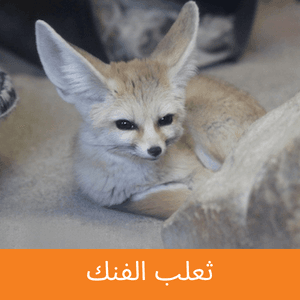
ثعلب الفنك
Vulpes zerdaحالة الحفظ
غير مهددالموطن الطبيعي
يعيش ثعلب الفنك في المناطق الرملية الجافة من الصحراء الكبرى الأفريقية.النظام الغذائي
في البرية – الفواكه والحشرات والنباتات والبيض والقوارض الصغيرة.
في حديقة الحيوان – الفواكه والحشرات والقوارض ونظام غذائي للكلاب.حقائق مثيرة للاهتمام
• ثعالب الفنك هي أصغر أنواع الثعالب في العالم.
• آذانها الكبيرة تساعدها على تبديد الحرارة والحفاظ على برودة جسمها.
• حاسة سمعها حساسة للغاية لدرجة أنها تستطيع سماع حركة الفرائس تحت الأرض.
• أقدامها المشعرة تحميها من حرارة رمال الصحراء.
• لا يتجاوز وزنها كيلوغرامًا واحدًا إلى كيلوغرام ونصف. -
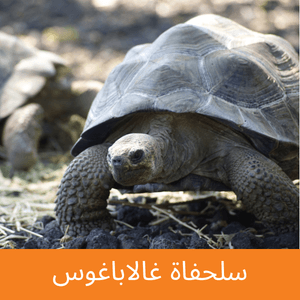
سلحفاة غالاباغوس
Chelonoidis nigra microphysحالة الحفظ
معرضة للخطرالموطن الطبيعي
توجد سلاحف غالاباغوس في جزر غالاباغوس. وهي تعيش في مناطق حارة وجافة ذات غطاء نباتي متناثر أو مناطق باردة ورطبة ذات غطاء نباتي أرضي كثيف.النظام الغذائي
في البرية : أعشاب، كروم، ثمار الصبار، ثمار متساقطة، ونباتات متنوعة.
في حديقة الحيوان : أعشاب متنوعة وقش.حقائق مثيرة للاهتمام
• يمكن أن تعيش لأكثر من 100 عام.
• أكبر عمر مسجل لها هو 171 عامًا.
• يبلغ متوسط طول البالغين 1.5 متر ووزنهم 215 كيلوغرامًا.
• تتحرك بسرعة 0.2 كيلومتر في الساعة مقارنةً بالبشر الذين يمشون بسرعة 4.5 كيلومتر في الساعة. -
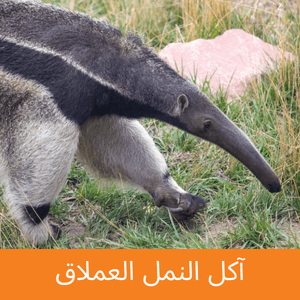
آكل النمل العملاق
Myrmecophaga tridactylaحالة الحفظ
معرضة للخطرالموطن الطبيعي
توجد حيوانات آكل النمل العملاقة في الأراضي العشبية والسافانا والمناطق المفتوحة من الغابات الاستوائية.النظام الغذائي
في البرية : النمل الأبيض، والنمل، ويرقات الحشرات، والخنافس، والفواكه أحيانًا.
في حديقة الحيوان : نظام غذائي مُصمم خصيصًا للحيوانات آكلة الحشرات، والحشرات، والفواكه.حقائق مثيرة للاهتمام
• لا يمتلك آكل النمل العملاق أسنانًا؛ بل يمتلك لسانًا يبلغ طوله قدمين.
• لسانه مغطى بلعاب لزج يسمح له بالتهام النمل الأبيض والنمل. يمكنه التهام ما يصل إلى 30,000 حشرة يوميًا.
• إذا شعر بالخطر، فقد يُصدر صوتًا يشبه الزئير، لكنه عادةً ما يبقى صامتًا. غالبًا ما يقف على رجليه الخلفيتين ويضرب بمخالبه الأمامية الطويلة.
• لتجنب لدغات النمل أثناء التغذية، يتغذى آكل النمل العملاق لمدة دقيقة واحدة فقط قبل الانتقال إلى المستعمرة التالية.
• يتميز بواحدة من أدنى درجات حرارة الجسم بين الثدييات، حيث تبلغ 91 درجة فهرنهايت، ويرجع ذلك على الأرجح إلى نظامه الغذائي الغني بالحشرات والمنخفض السعرات الحرارية.
• آكل النمل العملاق سباح ماهر، يستخدم سباحة حرة وأنفه الطويل كأنبوب تنفس. -
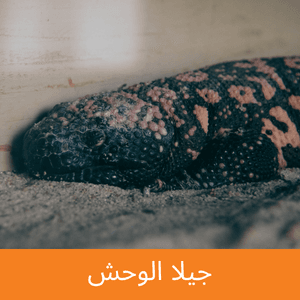
جيلا الوحش
Heloderma suspectumحالة الحفظ
قريب من التهديدالموطن الطبيعي
يوجد وحش جيلا في الأراضي الشجرية والصحاري وغابات البلوط.النظام الغذائي
في البرية – الطيور، البيض، الضفادع، السحالي، والحشرات.
في حديقة الحيوان – القوارضحقائق مثيرة للاهتمام
: • سحالي جيلا هي السحالي السامة الوحيدة التي تعيش في الولايات المتحدة.
• تخزن الدهون في ذيولها خلال فصل الشتاء.
• قد تقضي أكثر من 95% من حياتها في جحور تحت الأرض.
• يُستخدم بروتين موجود في لعابها في علاجات معتمدة من إدارة الغذاء والدواء الأمريكية لمرض السكري من النوع الثاني. -
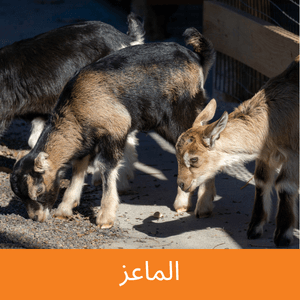
الماعز
Capra aegagrus hircusحالة الحفظ
غير مهددالموطن الطبيعي
تعيش أنواع عديدة ومختلفة من الماعز في الأراضي الزراعية.النظام الغذائي
في البرية : نباتات ورقية، قش، حبوب، وأعشاب.
في حديقة الحيوان : نباتات ورقية، قش، حبوب، وأعشاب.حقائق مثيرة للاهتمام
• الماعز من أقدم الحيوانات المستأنسة.
• تلد أنثى الماعز عادةً اثنين من الصغار في المرة الواحدة.
• تشتهر الماعز برشاقتها المذهلة وقدرتها على التسلق.
• تأتي الماعز المستأنسة بأشكال وألوان وأحجام متنوعة.
• تستطيع بعض سلالات الماعز القفز إلى ارتفاعات تزيد عن 1.5 متر. -
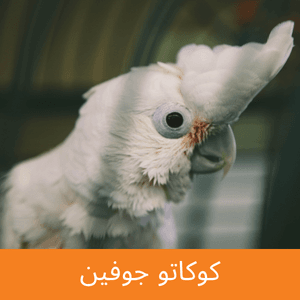
كوكاتو جوفين
Cacatua goffiniحالة الحفظ
قريب من التهديدالموطن الطبيعي
تعيش ببغاوات جوفين في جزر تينمبر بإندونيسيا.النظام الغذائي
في البرية – البذور والمكسرات
في حديقة الحيوان – طعام الببغاء والفواكه والبذورحقائق مثيرة للاهتمام
• ببغاوات غوفين اجتماعية وودودة.
• ببغاوات غوفين هي أصغر أنواع الببغاوات.
• تعيش لأكثر من 30 عامًا.
• أُعيد إدخالها إلى البرية في بورتوريكو وسنغافورة وجزر كاي.
• يؤثر إزالة الغابات وتجارة الطيور على أعدادها. -
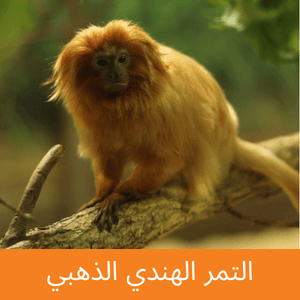
التمر الهندي الذهبي
Leontopithecus rosaliaحالة الحفظ
مهدد بالانقراضالموطن الطبيعي
يعيش قرد التمر الهندي الذهبي في منطقة صغيرة من الغابات المطيرة الاستوائية في جنوب شرق البرازيل.النظام الغذائي
في البرية - الفواكه والحشرات
في حديقة الحيوان - الفواكه والخضراوات والحشراتحقائق مثيرة للاهتمام
• قرود التمر الهندي الذهبية هي أكبر أفراد مجموعة المارموسيت والتمر الهندي.
• تمتلك مخالب بدلاً من الأظافر، مما يُمكّنها من الإمساك بالحشرات في الأماكن الضيقة.
• تنام في تجاويف الأشجار المجوفة أو بين الكروم الكثيفة.
• كما أنها تنام في جحور مختلفة كل يوم، مما يُصعّب على الحيوانات المفترسة العثور عليها. -
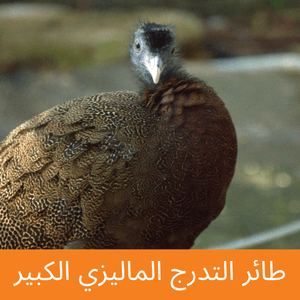
طائر التدرج الماليزي الكبير
Argusianus argusحالة الحفظ
معرضة للخطرالموطن الطبيعي
يعيش طائر التدرج الماليزي الكبير في الغابات الأولية الجافة والمنخفضة والغابات التي تم قطع أشجارها.النظام الغذائي
في البرية : الفواكه، النمل، البزاقات، الحلزونات، اللحوم، والحشرات.
في حديقة الحيوان : الفواكه، الخضراوات، الخضراوات الورقية، البذور، الحشرات، وحبيبات علف الطيور.حقائق مثيرة للاهتمام
• يمكن أن يصل صوت الذكر إلى مسافة نصف ميل.
• تختلف الإناث عن الذكور في الشكل، ويسهل التمييز بينهما.
• يمتلك الذكور ريشًا أطول في الأجنحة والذيل مقارنةً بالإناث.
• يمتلك الذكور ريشًا عليه ما يشبه العيون يُسمى "العيون البسيطة". -
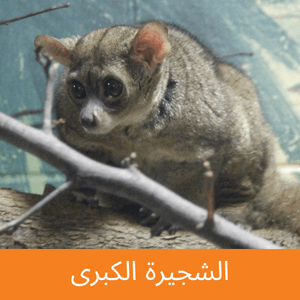
الشجيرة الكبرى
Otolemur crassicaudatusحالة الحفظ
غير مهددالموطن الطبيعي
يعيش البوشبيبي الكبير في الغابات الساحلية والمرتفعة في شرق أفريقيا.النظام الغذائي
في البرية : الحشرات، عصارة الأشجار، الفاكهة، والبذور.
في حديقة الحيوان : الفاكهة، الخضراوات، الحشرات، كريات طعام الحيوانات آكلة الحشرات، ومواد هلامية غنية بالعناصر الغذائية.حقائق مثيرة للاهتمام
• تتميز آذانها بالقدرة على الانثناء والانطواء عند الحاجة للاستماع إلى الأصوات وحماية نفسها أثناء التنقل في الغابة.
• لديها لسان ثانٍ مصنوع من الغضروف أسفل لسانها الرئيسي، وتستخدمه للتنظيف.
• تتبول على يديها لتحديد مناطقها بالرائحة وللتشبث بالأغصان بشكل أفضل.
• يزن المولود الجديد أقل من نصف أونصة. -
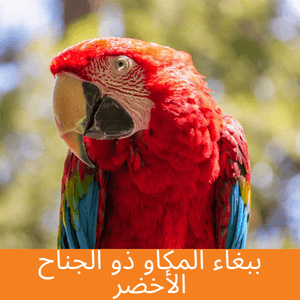
ببغاء المكاو ذو الجناح الأخضر
Ara chloropterusحالة الحفظ
غير مهددالموطن الطبيعي
يعيش ببغاء المكاو ذو الأجنحة الخضراء في الغابات المطيرة الاستوائية في أمريكا الجنوبية.النظام الغذائي
في البرية – المكسرات والبذور والفواكه،
وفي حديقة الحيوان – المكسرات والبذور والفواكهحقائق مثيرة للاهتمام
• تتزاوج ببغاوات المكاو ذات الأجنحة الخضراء مع شريك واحد مدى الحياة.
• تستطيع ببغاوات المكاو ذات الأجنحة الخضراء تقليد الأصوات البشرية.
• تصل سرعتها في الطيران إلى 35 ميلاً في الساعة.
• تستخدم ببغاوات المكاو قدمها اليمنى أو اليسرى. -
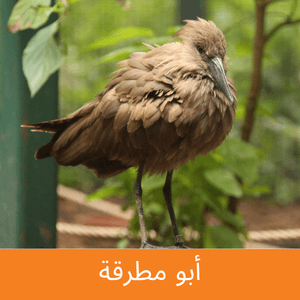
أبو مطرقة
Scopus umbrettaحالة الحفظ
غير مهددالموطن الطبيعي
تعيش طيور أبو مطرقة في بيئات متنوعة، وغالبًا ما تكون في السافانا والغابات.النظام الغذائي
في البرية : الضفادع الصغيرة، والحشرات، والأسماك الصغيرة، وأحيانًا الثدييات الصغيرة.
في حديقة الحيوان : الأسماك، واللحوم، والحبوب.حقائق مثيرة للاهتمام
• تبني أعشاشًا ثلاثية الطبقات قوية بما يكفي لحمل إنسان.
• تقف على أفراس النهر بحثًا عن الضفادع لتأكلها.
• طائر أبو مطرقة هو أصغر أنواع اللقلق الأفريقي.
• العرف الطويل المسطح على رأسه، والذي يشبه المطرقة، هو ما أعطاه اسمه. -
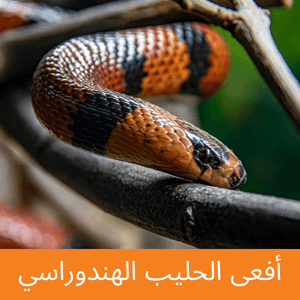
أفعى الحليب الهندوراسي
Lampropeltis triangulum hondurensisحالة الحفظ
غير مهددالموطن الطبيعي
تعيش ثعابين الحليب الهندوراسية في المناطق الاستوائية المنخفضة إلى المتوسطة الارتفاع في أمريكا الوسطى.النظام الغذائي
في البرية – الثدييات الصغيرة والطيور والبيض والثعابين الأخرى.
في حديقة الحيوان – الفئرانحقائق مثيرة للاهتمام
• يمكن أن تعيش أفاعي الحليب الهندوراسية حتى 20 عامًا.
• تحمي أفاعي الحليب الهندوراسية نفسها من المفترسات بلونها الزاهي الذي يبدو سامًا.
• اسمها مشتق من أسطورة تقول إنها كانت تشرب حليب البقر.
حفظ
تلتزم حديقة حيوانات لينكولن للأطفال بجهود الحفاظ على الحيوانات وإنقاذها من الانقراض. تضم الحديقة أكثر من 30 نوعًا من الحيوانات المهددة بالانقراض، وتسعى جاهدةً لتوفير أعلى مستويات الرعاية لهذه الأنواع التي تقترب من الانقراض. تتعاون حديقة حيوانات لينكولن للأطفال مع منظمات في جميع أنحاء العالم تُعنى بإدارة الحيوانات في الأسر والحيوانات البرية، بهدف وضع خطة تضمن إنقاذ الحيوانات المهددة بالانقراض وحمايتها للأجيال القادمة. تُعدّ حديقة الحيوان جزءًا من خطة بقاء الأنواع التابعة لرابطة حدائق الحيوان والأحواض المائية، والتي تُشرف على إدارة أنواع مُختارة بهدف تعزيز جهود الحفاظ عليها في بيئتها الطبيعية. ويقود هذه الخطة مستشارون خبراء يعملون معًا لإدارة التوزيع الديموغرافي والاستدامة طويلة الأجل لما يقرب من 500 نوع.
تعاون فوتو آرك
تتعاون حديقة حيوانات لينكولن للأطفال مع المصور جويل سارتور من ناشيونال جيوغرافيك ومشروعه "فوتو آرك". يُعدّ "فوتو آرك" مبادرة رائدة لتوثيق الأنواع قبل انقراضها، وحثّ الناس على الاهتمام بها ما دام الوقت متاحًا. انطلق "فوتو آرك" من حديقة حيوانات لينكولن للأطفال بأول صورة التُقطت لجرذ الخلد العاري. وحتى الآن، وثّق "فوتو آرك" 10,531 نوعًا. تعرّف على المزيد حول مشروع جويل سارتور "فوتو آرك" هنا